How Ready Is Your Organisation for AI/Robotics? The Questions Every Leader Must Ask
Esteemed colleagues, healthcare leaders, ministers, and visionaries,
We stand at a precipice. The digital deluge, driven by advanced AI and robotics, is not a distant wave on the horizon; it is the current now surging beneath our feet, demanding immediate, decisive, and intelligent navigation. As a physician who has witnessed this revolution from the frontline — in acutely ill patients whose lives have been profoundly touched by technology — and as a strategist who advises global organisations on their digital destiny, I can state unequivocally: inaction is not an option. Complacency is the greatest threat to modern healthcare.
The question is no longer if AI and robotics will transform healthcare, but how thoughtfully, ethically, and effectively you will leverage these pivotal tools within your own institutions. My work, culminating in insights shared in The Doctor’s Future and across countless global stages, underscores a critical truth: transformation demands not just investment, but profound introspection. It requires asking the difficult questions, confronting uncomfortable realities, and charting a course rooted in both clinical efficacy and strategic foresight.
This is not a blueprint for immediate implementation, nor an instruction manual for coding algorithms. This is a framework for leadership. It is a call to strategic clarity, ethical diligence, and a profound commitment to the future of patient care. My guidance is designed to equip you, the architects of tomorrow’s healthcare, with the critical lens needed to assess your readiness for the AI/Robotics era.
Before a single dollar is allocated or a pilot project initiated, your organisation must confront a foundational question: Is your AI/robotics strategy truly aligned with your overarching institutional mission, or is it merely chasing the latest technological trend? The allure of innovation can be intoxicating, but true progress stems from purposeful integration.
Defining Strategic Imperatives
What specific, quantifiable problems are you attempting to solve with AI and robotics? Are these problems rooted in clinical need, operational inefficiency, or both? A nebulous goal of “improving patient care” is insufficient. We must identify precise pain points: reducing diagnostic delays in oncology, optimising surgical workflows, enhancing preventative care for chronic conditions, improving bed management in overwhelmed emergency departments. Without this precise definition, your initiatives become aimless, your investments diluted.
Board-Level Engagement and Understanding
Is your board of directors merely giving a cursory nod to “digital transformation,” or do they genuinely comprehend the strategic implications, risks, and opportunities presented by AI and robotics? True strategic alignment originates at the highest echelons. Board members must be educated, engaged, and actively involved in shaping the ethical and operational guardrails for AI adoption. The HCF AI/Robotics Scorecard, a tool I developed to assess organisational readiness, frequently reveals significant gaps in board-level understanding, highlighting a critical vulnerability for many institutions.
Long-Term Vision vs. Short-Term Gains
Are you prioritising quick wins at the expense of a sustainable, scalable long-term strategy? While early successes can build momentum, a piecemeal approach to AI and robotics will inevitably lead to siloed systems, interoperability nightmares, and missed opportunities for synergistic advancements. A truly visionary leader thinks in decades, not quarters, anticipating future needs and technological evolutions.
In exploring the readiness of your organization for AI and robotics, it’s essential to consider various perspectives and insights from industry experts. A related article that delves deeper into this topic is available at Dr. Garbelli’s insights on organizational readiness for AI. This resource provides valuable guidance for leaders looking to navigate the complexities of integrating advanced technologies into their operations, ensuring they ask the right questions to foster innovation and efficiency.
Data Governance and Infrastructure: The Unseen Foundation
AI is not magic; it is advanced pattern recognition and predictive analytics fuelled by data. The quality, accessibility, and ethical management of this data are paramount. Without a robust data strategy, your AI initiatives are built on sand.
Data Interoperability and Standardisation
How integrated are your existing data systems? Are clinical records, imaging data, lab results, and genomic information readily accessible and interoperable? The fragmented nature of healthcare data remains a significant impediment to effective AI deployment. Investing in robust data infrastructure, standardised terminologies (such as SNOMED CT and LOINC), and FHIR-compliant APIs is not an optional luxury; it is a fundamental prerequisite. Organisations that ignore this will find their advanced AI models starved of the diverse, clean data needed for accurate and reliable output.
Data Quality and Bias Mitigation
Garbage in, garbage out. This adage is never more true than with AI. What processes are in place to ensure data quality, accuracy, and completeness? Critically, how are you actively identifying and mitigating biases embedded within your historical datasets? Neglecting this step risks perpetuating and even amplifying existing health inequities. An AI system trained on data predominantly from one demographic, for example, may perform poorly – or even dangerously – when applied to others. This isn’t just an ethical oversight; it’s a profound clinical risk.
Robust Data Security and Privacy Frameworks
Patient privacy is non-negotiable. With the increased reliance on large datasets, what advanced cybersecurity measures are you implementing? Are you compliant with existing regulations like GDPR, HIPAA, and emerging data privacy mandates? Furthermore, are your internal policies clear, transparent, and regularly audited? A single data breach fuelled by an inadequately secured AI system could irreparably damage patient trust and inflict catastrophic reputational and financial harm. Ethical data stewardship is the cornerstone of responsible innovation.
Clinical Integration and Workflow Redesign: Beyond the Algorithm
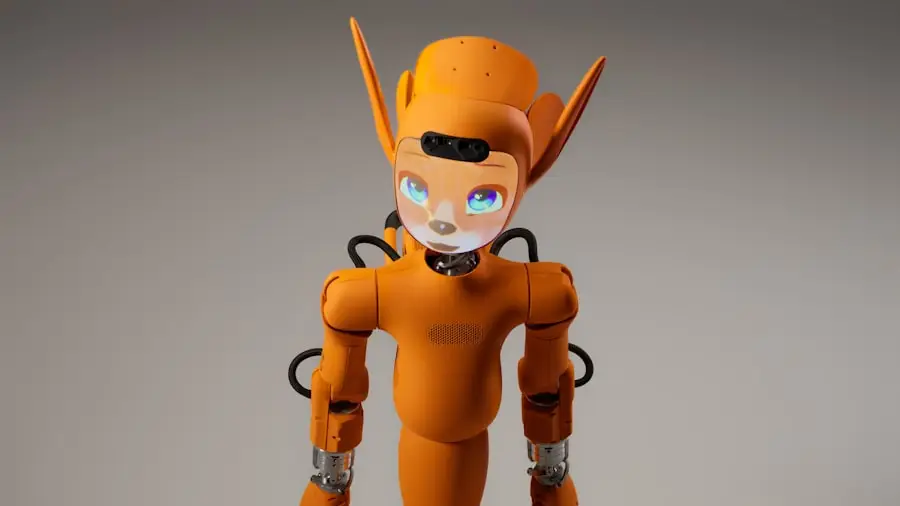
AI and robotics are tools, not replacements for human intelligence and empathy. Their true power lies in augmenting clinical capacity, enhancing decision-making, and streamlining processes, not in merely automating tasks in a vacuum.
Engaging Frontline Clinicians and Stakeholders
Have you deeply engaged the very clinicians, nurses, and allied health professionals who will be interacting with these technologies daily? Ignoring their insights, fears, and practical requirements is a recipe for resistance, underutilisation, and outright failure. Physicians and nurses are not passive recipients of technology; they are active co-creators of its effective application. Early and continuous co-design, training, and feedback loops are essential. Without this, your AI solutions will gather digital dust.
Workflow Impact Assessment and Redesign
How will the introduction of AI and robotics fundamentally alter existing clinical workflows? This isn’t about shoehorning new tech into old processes. It demands a holistic re-evaluation and, often, a complete redesign of care pathways. Are you anticipating the downstream effects – for example, how an AI-powered diagnostic tool might change the workload of pathologists, or how robotic surgery might necessitate new surgical team compositions and training? A failure to plan for workflow redesign will lead to chaos, frustration, and a failure to realise the full potential of these technologies.
Clinical Validation and Performance Monitoring
Before broad deployment, how rigorously are your AI and robotic solutions being clinically validated in real-world scenarios? What are your robust performance monitoring frameworks? Are you tracking not just technical metrics, but patient outcomes, safety incidents, and clinician satisfaction? Continuous auditing is essential. AI models, like any medical intervention, require rigorous post-market surveillance. A static model in a dynamic clinical environment is an outdated, and potentially unsafe, model.
Discover How Ready is Your Healthcare Organisation – Take the HCF AI/Robotics Readiness Assessment
Ethical Governance and Responsibility: The Human Imperative

The rapid advancement of AI and robotics necessitates a commensurate evolution in ethical governance. These technologies present unprecedented moral dilemmas, and leadership must proactively address them.
Establishing an AI Ethics Committee
Do you have a dedicated, multidisciplinary AI Ethics Committee with clear terms of reference and authority? This committee should include not only clinicians and technologists but also ethicists, legal experts, and patient representatives. Their mandate should extend beyond mere compliance to proactive guidance on issues such as algorithmic bias, accountability for AI errors, patient autonomy in AI-driven decisions, and the ethical implications of data usage.
Accountability Frameworks for AI Outcomes
When an AI system makes an error that leads to patient harm, who is ultimately accountable? The developer? The deploying institution? The supervising clinician? Clear accountability frameworks are not a luxury; they are a fundamental requirement for ethical AI adoption. This requires legal clarity, institutional policies, and transparent communication with patients about the role of AI in their care. Without this, we risk creating a moral void that undermines trust.
Transparency and Explainability in AI
Are your AI systems sufficiently transparent and explainable, particularly for high-stakes clinical decisions? While truly “explainable AI” (XAI) remains an active area of research, organisations must strive for maximum transparency appropriate to the context. Patients and clinicians deserve to understand, to a reasonable degree, how an AI reached a particular conclusion, especially when it contradicts human intuition. Black box algorithms in critical care are an ethical quagmire.
In exploring the readiness of organizations for AI and robotics, it is essential for leaders to consider not only the technological aspects but also the ethical implications of these advancements. A related article that delves into the importance of understanding privacy concerns in the age of AI can be found at this link. By addressing these critical questions, leaders can better prepare their organizations for the transformative changes that AI and robotics will bring.
Talent Development and Organisational Culture: Cultivating the Future
| Question | Response |
|---|---|
| Does your organization have a clear AI/Robotics strategy? | Yes/No/Partially |
| Is there a dedicated team for AI/Robotics implementation? | Yes/No/Partially |
| Have you identified the potential impact of AI/Robotics on your workforce? | Yes/No/Partially |
| Are there clear ethical guidelines for AI/Robotics usage in your organization? | Yes/No/Partially |
| Have you invested in AI/Robotics training for your employees? | Yes/No/Partially |
Technology is only as effective as the people who wield it. Investing in AI and robotics demands an equivalent investment in your human capital and fostering a culture of innovation and adaptability.
AI Literacy and Skill Development
What is your strategy for upskilling your workforce – from clinicians to administrators – in AI literacy? This isn’t about turning everyone into data scientists, but about ensuring a foundational understanding of AI’s capabilities, limitations, and ethical considerations. Targeted training programs, continuous professional development, and access to AI specialists are essential. The digital divide in healthcare is not just between institutions, but within them.
Cultivating an Innovation-Friendly Culture
Does your organisational culture genuinely embrace innovation, or does it stifle experimentation with bureaucratic hurdles? Fear of failure, rigid hierarchies, and resistance to change are toxic to AI adoption. Leaders must foster a culture that encourages calculated risk-taking, continuous learning, and cross-functional collaboration. Pilots and proof-of-concept projects should be seen as opportunities for learning, not just for success.
Attracting and Retaining AI and Robotics Talent
The demand for AI specialists, data scientists, machine learning engineers, and robotics experts far outstrips supply. What is your strategy for attracting and retaining this critical talent in a highly competitive market? This goes beyond competitive salaries; it involves offering intellectually stimulating projects, a supportive research environment, and a clear vision for how their work will genuinely impact patient lives.
Conclusion: Lead with Clarity, Integrity, and Strategic Precision
The journey into the AI/Robotics era is not for the faint of heart. It demands courage, critical thinking, and an unwavering commitment to patient well-being and ethical stewardship. The questions I have posed here are not exhaustive, but they represent the critical inflection points that will determine your institution’s success — or its obsolescence.
As a physician, I have witnessed the profound human impact of technology, both its triumphs and its tragic missteps. As a strategist, I have seen organisations flounder due to a lack of foresight and integrity. My fervent plea to you, the leaders of today and tomorrow, is to embark on this transformation with conviction, guided by clinical insight, and fortified by strategic precision.
Leverage tools like the HCF AI/Robotics Scorecard to objectively assess your readiness. Engage with experts who can provide evidence-based guidance. But above all, lead. Lead with clarity of vision, integrity in practice, and a deep understanding that the future of healthcare rests squarely on the ethical, intelligent, and impactful deployment of AI and robotics. The time for deliberation is over; the time for decisive, informed action is now.
Get Your Copy of The Doctor’s Future Today
FAQs
1. What are the key considerations for assessing an organization’s readiness for AI/Robotics?
The key considerations for assessing an organization’s readiness for AI/Robotics include evaluating the current technological infrastructure, workforce skills and capabilities, data management and security, regulatory compliance, and the organization’s overall strategic alignment with AI/Robotics.
2. How can leaders determine the impact of AI/Robotics on their organization’s operations and workforce?
Leaders can determine the impact of AI/Robotics on their organization’s operations and workforce by conducting thorough assessments of current processes, identifying areas for automation and augmentation, and evaluating the potential impact on employee roles, skills, and job functions.
3. What are the potential risks and challenges associated with implementing AI/Robotics in an organization?
Potential risks and challenges associated with implementing AI/Robotics in an organization include job displacement, ethical considerations, data privacy and security concerns, regulatory compliance, and the need for ongoing investment in technology and workforce development.
4. How can organizations ensure that they have the necessary infrastructure and resources to support AI/Robotics initiatives?
Organizations can ensure that they have the necessary infrastructure and resources to support AI/Robotics initiatives by investing in robust IT systems, data management capabilities, cybersecurity measures, and by providing training and development opportunities for employees to acquire the skills needed to work alongside AI/Robotics technologies.
5. What steps can leaders take to create a strategic roadmap for integrating AI/Robotics into their organization?
Leaders can create a strategic roadmap for integrating AI/Robotics into their organization by conducting a comprehensive assessment of current capabilities and needs, setting clear objectives and milestones, engaging stakeholders across the organization, and continuously monitoring and adapting the roadmap based on feedback and results.